
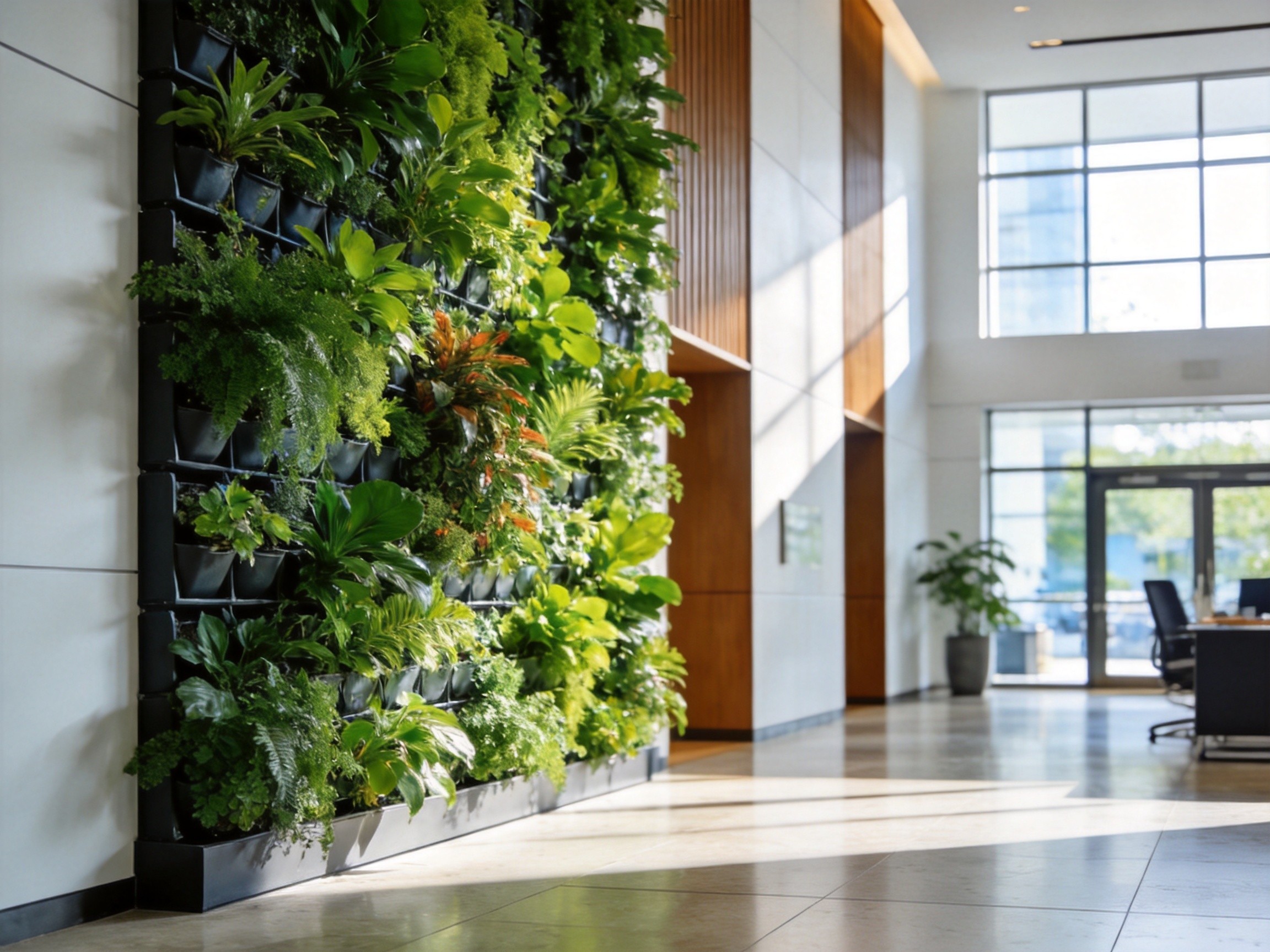
Green walls — also known as living walls or vertical gardens — have become one of the most sought-after features in modern interior design. Whether you’re looking to transform a blank wall in your living room or create a statement piece for your office lobby, a vertical garden wall system can bring nature indoors in a way that few other design elements can match.
After years of working with green wall installations, I’ve seen what works and what doesn’t. Here’s a comprehensive guide to help you understand the options and choose the right system for your space.
What Is a Vertical Garden Wall System?
A vertical garden wall system is a structured framework that allows plants to grow on a vertical surface. Unlike traditional climbing plants that need years to cover a wall, modern green wall systems use modular panels, felt pockets, or specially designed growing substrates to create an instant living wall.
There are two main categories: preserved moss walls (using treated moss that requires no maintenance) and living green walls (using real plants with an integrated irrigation system).
Preserved Moss Walls: Zero Maintenance, Maximum Impact
Preserved moss walls have gained massive popularity in commercial spaces and homes alike. The moss is treated with a natural glycerin solution that keeps it soft and vibrant without any need for water, light, or soil.
Advantages
- Absolutely zero maintenance — install it and forget it
- No light required — works in windowless rooms, hallways, basements
- Lightweight — can be mounted on standard drywall without reinforcement
- Hypoallergenic — no pollen, no mold, no insects
- Acoustic benefits — moss absorbs sound, reducing echo in open spaces
Best Uses
- Office reception areas and conference rooms
- Restaurants and cafes looking for photo-worthy interiors
- Retail stores and brand showrooms
- Home interiors where natural light is limited
Living Green Walls: A Breathing Ecosystem
Living green walls use real plants grown in a vertical arrangement with an automated irrigation system. They’re more complex than moss walls, but they offer benefits that preserved moss simply can’t match.
Advantages
- Air purification — living plants filter VOCs and improve indoor air quality
- Natural humidity — transpiration from plants adds moisture to dry indoor air
- Dynamic beauty — plants grow, change, and bloom over time
- Biophilic wellness — connection to living nature reduces stress and improves productivity
Key Components
- Growing substrate — the material plants root into. Traditional options include soil, coconut coir, and felt. Newer options like Xponge® offer better water retention and aeration.
- Irrigation system — drip irrigation with a timer, connected to a water reservoir and drainage
- Lighting — LED grow lights for indoor installations where natural light is insufficient
- Drainage — a collection tray or gutter system to catch excess water
Choosing the Right Growing Substrate
This is arguably the most important decision in a living green wall. The substrate determines how well plants grow, how often you need to water, and how heavy the wall will be.
| Substrate Type | Weight | Water Retention | Plant Survival Rate | Maintenance |
|---|---|---|---|---|
| Soil | Heavy | Good | Moderate | High |
| Coconut Coir | Light | Moderate | Good | Medium |
| Felt Pockets | Light | Moderate | Good | Medium |
| Xponge® Substrate | Very Light | Excellent (30+ days) | 95%+ | Low |
Xponge® stands out because of its dual-channel structure — it holds water in micro-pores while allowing air circulation, creating an ideal environment for root development. It’s also 10-30 times lighter than soil and completely sterile, which means no pathogens or mold issues.
Installation Tips for a Successful Green Wall
- Waterproof the wall — always install a waterproof membrane behind the green wall system
- Check weight load — a living green wall with irrigation can weigh 30-50 kg per square meter
- Plan for lighting — LED grow lights should run 8-10 hours daily for optimal plant health
- Ensure airflow — good ventilation prevents humidity issues and mold
- Build in access — leave access points for irrigation system maintenance
Maintenance Comparison
- Preserved moss wall — dust with a soft brush every 6 months, nothing else required
- Small living green wall (home) — check irrigation weekly, add nutrients monthly, replace plants quarterly
- Large living green wall (commercial) — professional maintenance every 2 weeks recommended
Final Thoughts
Whether you choose a preserved moss wall for its simplicity or a living green wall for its ecological benefits, adding a vertical garden to your space is one of the most impactful design decisions you can make. The key is matching the system to your specific needs — your available light, budget, and willingness to maintain it.
Start small if you’re unsure. A preserved moss panel is a great way to test the waters. Once you see how it transforms your space, you’ll be planning your next green wall before you know it.