
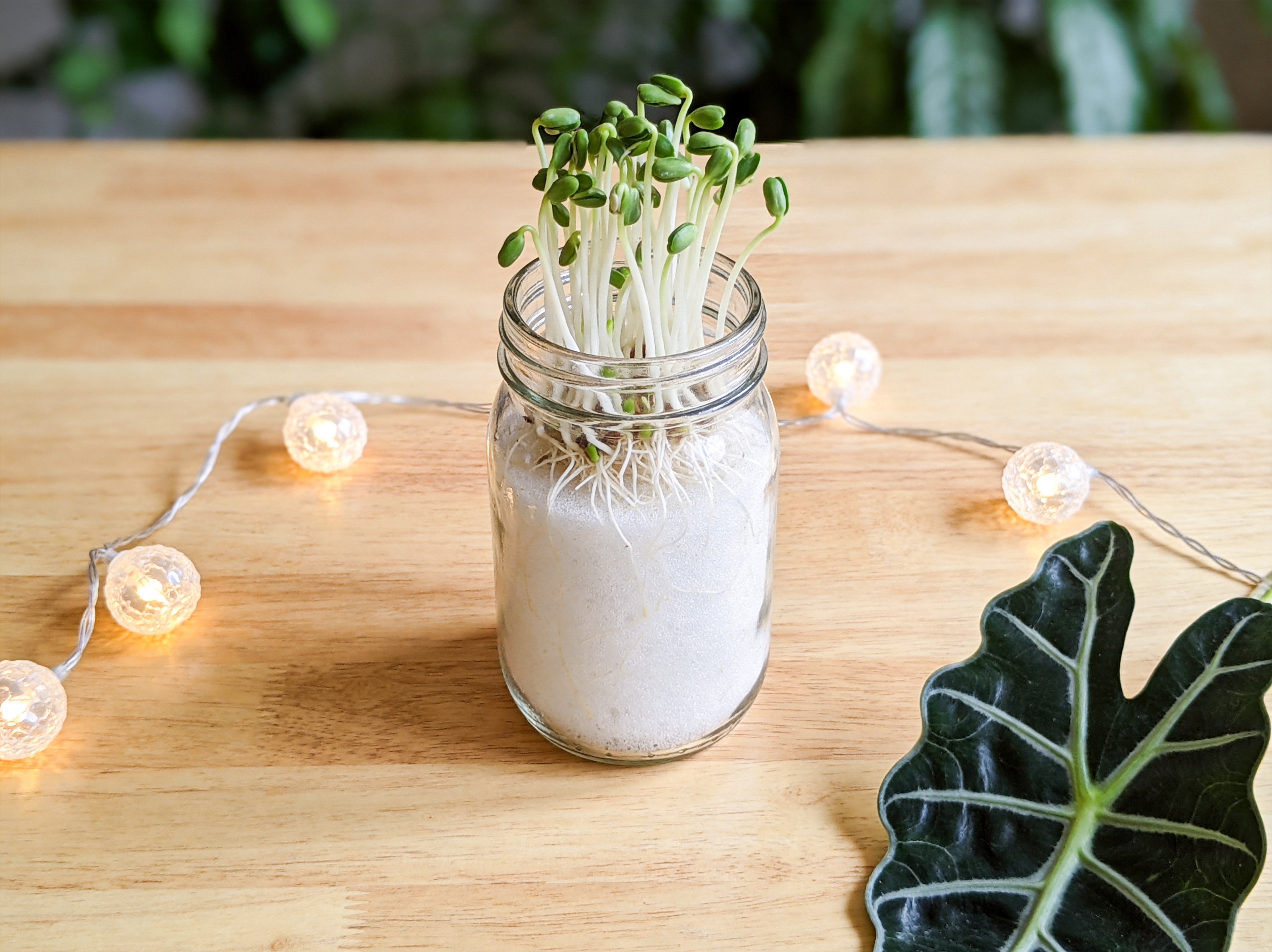
If you’re into rare aroids—alocasias, monsteras, philodendrons—you know the most critical phase of propagation is what we call “rooting out”: placing cuttings or tubers in a suitable medium and waiting for roots to emerge. The traditional choices are sphagnum moss, perlite, or stratum. But there’s a new player in town that’s changing the game.
What Makes Xponge Different?
Xponge® is a polyurethane-based porous substrate originally developed for vertical green wall systems. Its internal structure is packed with micro-channels that serve dual purposes—water storage and root guidance. Unlike traditional media, Xponge offers three key advantages:
- Dual-channel structure: Simultaneously stores water and allows airflow, preventing both root rot and dehydration
- Sterile environment: Synthetic material means no bacteria, fungi, or pest eggs—dramatically reducing the risk of damping off
- Visible root growth: Its semi-translucent nature lets you see root development without disturbing the cutting
Plant enthusiasts in online communities have been sharing their results: “Xponge is a cheating tool for rooting—faster than both sphagnum and stratum, and you can actually see the roots forming.”
Side-by-Side Comparison
| Dimension | Sphagnum Moss | Stratum | Xponge |
|---|---|---|---|
| Rooting speed | Medium (2-3 weeks) | Fast (1-2 weeks) | Very fast (5-10 days) |
| Rot risk | High (bacteria-prone) | Medium | Low (sterile synthetic) |
| Water retention | High | Medium | High (30+ days) |
| Root visibility | No | No | Yes |
| Reusable | Yes (needs sterilization) | Limited | Yes (rinse and reuse) |
| Cost | Low | Medium | Medium |
How to Propagate with Xponge: A Step-by-Step Guide
- Prepare: Get Xponge blocks, a clear container (a glass jar or transparent cup works well), and your cuttings or tubers
- Hydrate: Soak Xponge blocks in water until fully saturated, then gently squeeze out excess—aim for the point where a light squeeze just releases a few drops
- Insert: Place your cutting or tuber into the Xponge, ensuring the cut end makes good contact with the material
- Humidity: Place the container in a clear plastic bag or propagation box to maintain 80%+ humidity
- Watch: Within 5-10 days, you’ll see white roots emerging through the semi-translucent Xponge
Once rooted, you can transplant directly into soil with the Xponge block still attached—no need to remove the medium, which means zero transplant shock. This is a unique advantage over traditional substrates.
Why Now?
Summer is the peak growing season for tropical plants, making it the ideal window for propagation. If you have alocasias or philodendrons you’ve been meaning to multiply, now is the time. The rise of Xponge in the plant community reflects a broader trend—growers are increasingly prioritizing root zone control and visibility.
Whether you’re a beginner or a seasoned collector with hundreds of plants, having a reliable rooting medium in your toolkit is always a good idea. After all, when it comes to propagation, faster roots mean healthier plants.
Xponge® is a product of MiniJungle®. Visit our website to learn more about our growing media solutions.